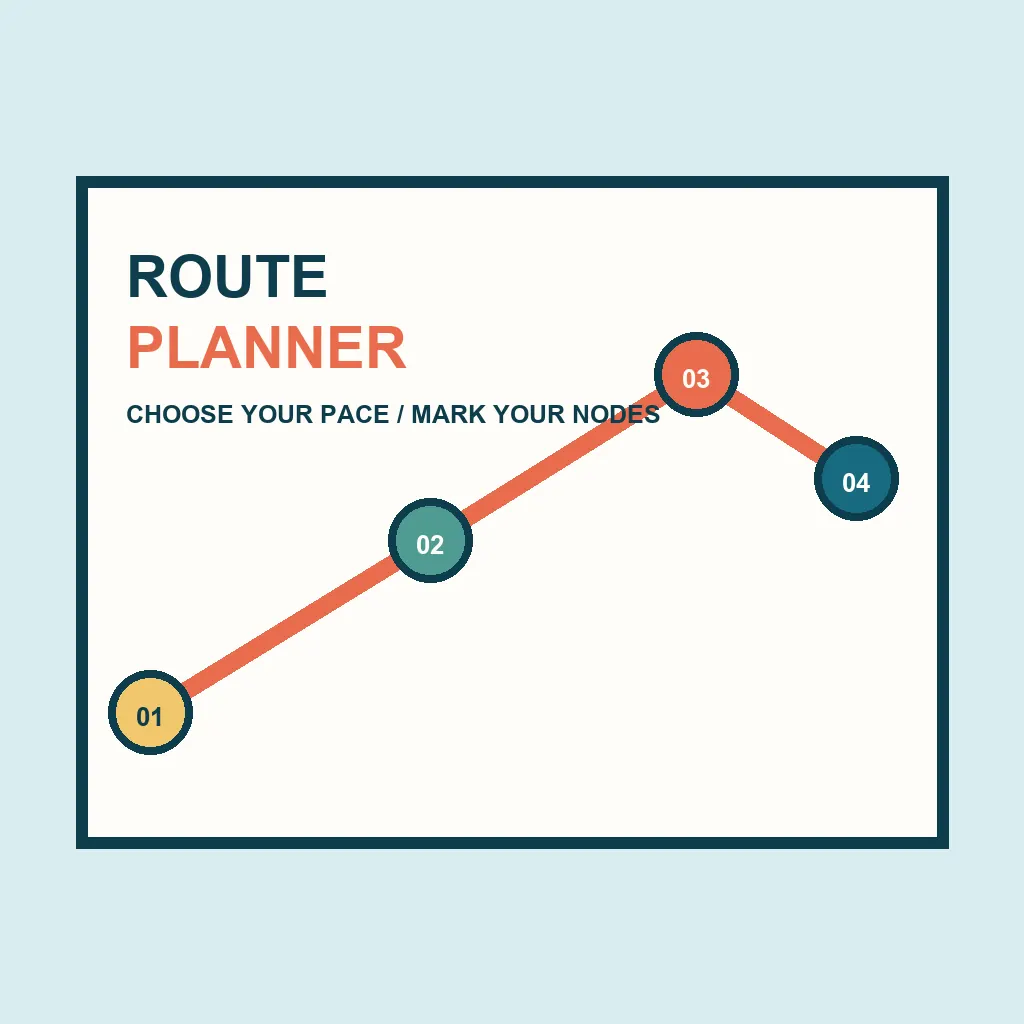
What this Big Walk map guide covers
Searches for Big Walk map usually mix several needs: a player may want to open the in-game map, understand a marker, find a route landmark, or look for a complete interactive map. Those are different jobs. This page handles the first three and sends the fourth to an honest limitation note instead of inventing a dataset.
The site does not publish a developer supplied full map file. The route index below is built from the landmarks already used in the 4166 Road, 1899 Cable Car, puzzle, ending and co-op planner guides. Treat it as a navigation aid for a group conversation, not as proof that every object is marked or that every playthrough has identical geometry.
A useful map callout has three parts: the fixed object everyone can see, the route page that explains it, and the point where the party can regroup. A short callout such as red tower, lower station or last shared junction is easier to verify than a long description of a direction.
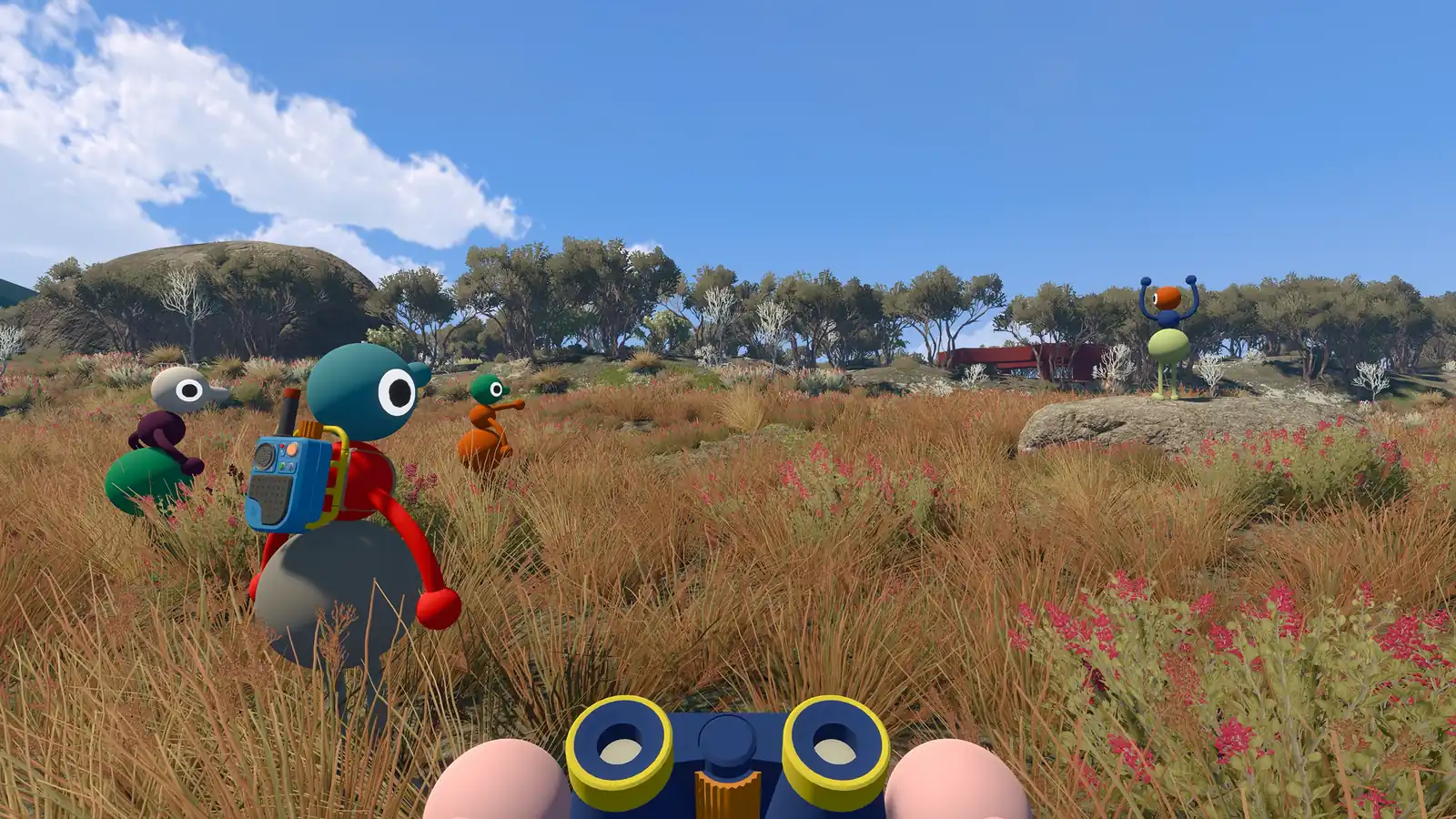
How to read the Big Walk map without losing the party
Use the map for the broad relationship between places, then use the scene itself to confirm the next move.
1. Locate the broad zone
Open the map and identify the general route area before choosing a destination. The map answers where you are relative to a region; it does not replace the physical landmark check.
2. Name one fixed object
Choose a tower, rail line, tunnel mouth, station or another object that stays understandable when the camera turns. Avoid a moving player or vehicle as the only reference.
3. Compare the view
Ask every player to describe the same object from the current position. If two descriptions disagree, return to the last shared point before expanding the search.
4. Mark the return point
The co-op planner can record a route node in this browser. The goal is not to draw a perfect map; it is to make a wrong turn recoverable.
Big Walk map landmark and route index
Use the row that matches the object in front of the party. Each row points to an existing page with more route detail.
| Map or scene signal | What it helps answer | Continue with |
|---|---|---|
| Red tower + rail line | Whether the party is reading the 4166 Road direction from the same reference point. | 4166 Road guide |
| Upper or lower station | Which side of the 1899 Cable Car section the party is using as its checkpoint. | 1899 Cable Car guide |
| Tunnel entrance or Big Orb area | Whether the group has reached a late route transition and should check spoiler level. | Ending and achievement guides |
| Last shared junction | Where to regroup after one player checks a nearby clue or map marker. | Co-op planner |
| A puzzle marker without a stable name | Whether the group needs a spoiler-light classification before a full route answer. | Puzzle guide |
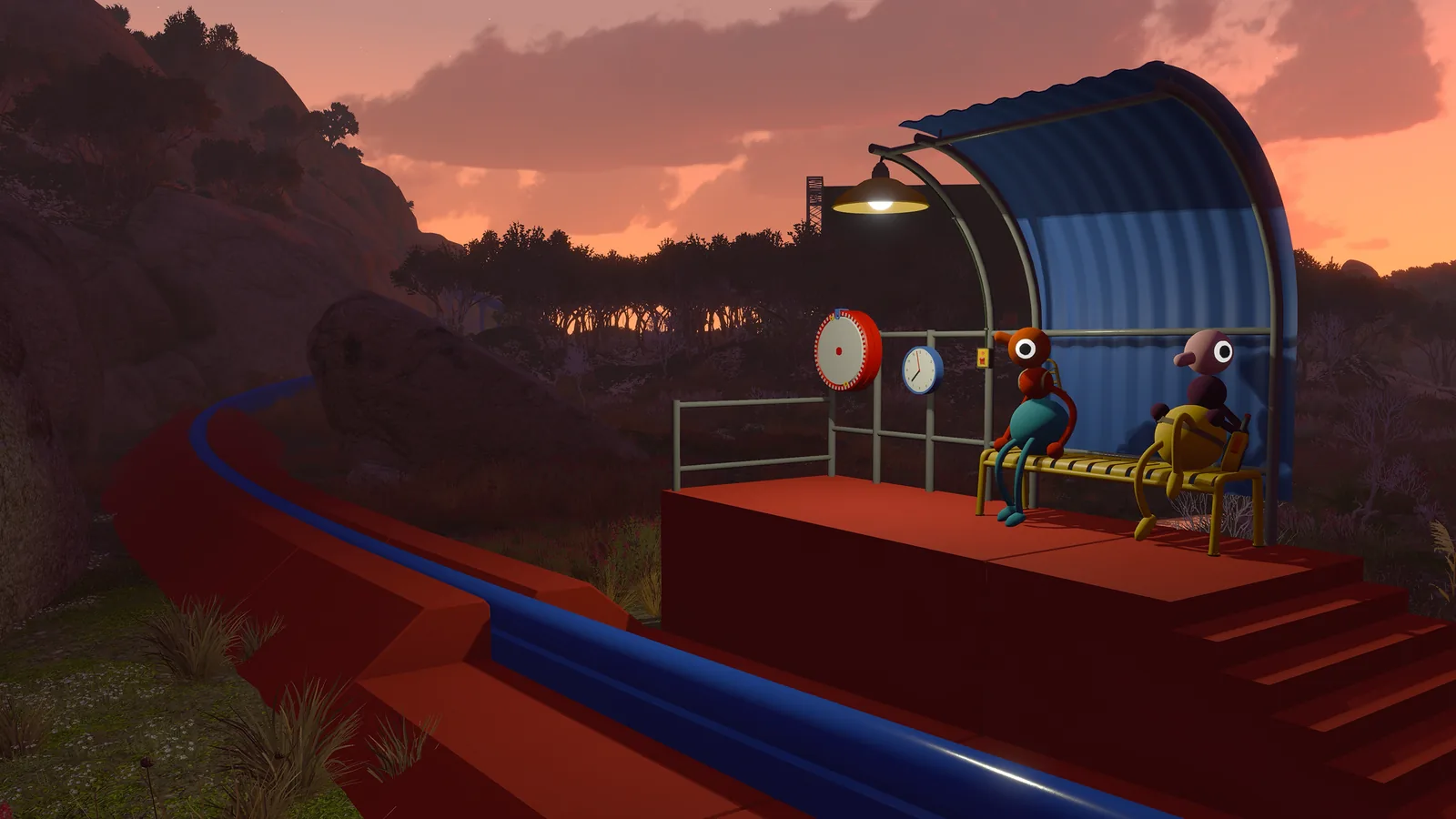
A five-step Big Walk map routine
Use the same sequence whenever the map, camera and party descriptions stop agreeing.
- Pause at the last confirmed nodeDo not keep walking while the party is using different landmarks. Say the node name out loud and wait for every player to confirm it.
- Open the map for positionCheck the broad area and the next marked relationship. Record what the map shows, but do not treat a marker as a complete solution.
- Use the world to verifyFind the tower, rail line, station or tunnel approach that matches the map relationship. A physical object is the handoff from map reading to route solving.
- Choose one forward observerLet one player test the next direction while another player keeps the return point. A group that moves in four directions at once loses the value of the map.
- Write the next questionRecord a narrow question such as upper or lower station? or can we see the rail line? Continue with the matching guide instead of searching the entire island again.
What this map guide cannot confirm
Clear boundaries keep the page useful when community map claims change.
| Question | What is safe to say |
|---|---|
| Is there an official interactive map here? | No. This page links a route index and editorial diagram; it does not present an official interactive map or hidden data file. |
| Does the map change with party size? | The official FAQ describes player-count world choices and adaptive challenges. It does not establish a separate complete map for every party size, so do not assume one. |
| Does every map marker equal a puzzle solution? | No. A marker helps locate a place. The puzzle guide and route pages handle observation, order and spoiler level. |
| Can a screenshot replace a shared callout? | Not reliably. A screenshot can help a group recognize a scene, but the host and party still need a stable return point for the next session. |
Common questions
Big Walk map FAQ
Sources checked for this map guide
The official FAQ and public media pages support the game's co-op, route and public-media context. The map reading routine, labels and editorial diagram are independent guide notes.