The short answer: there is no fixed official hour count
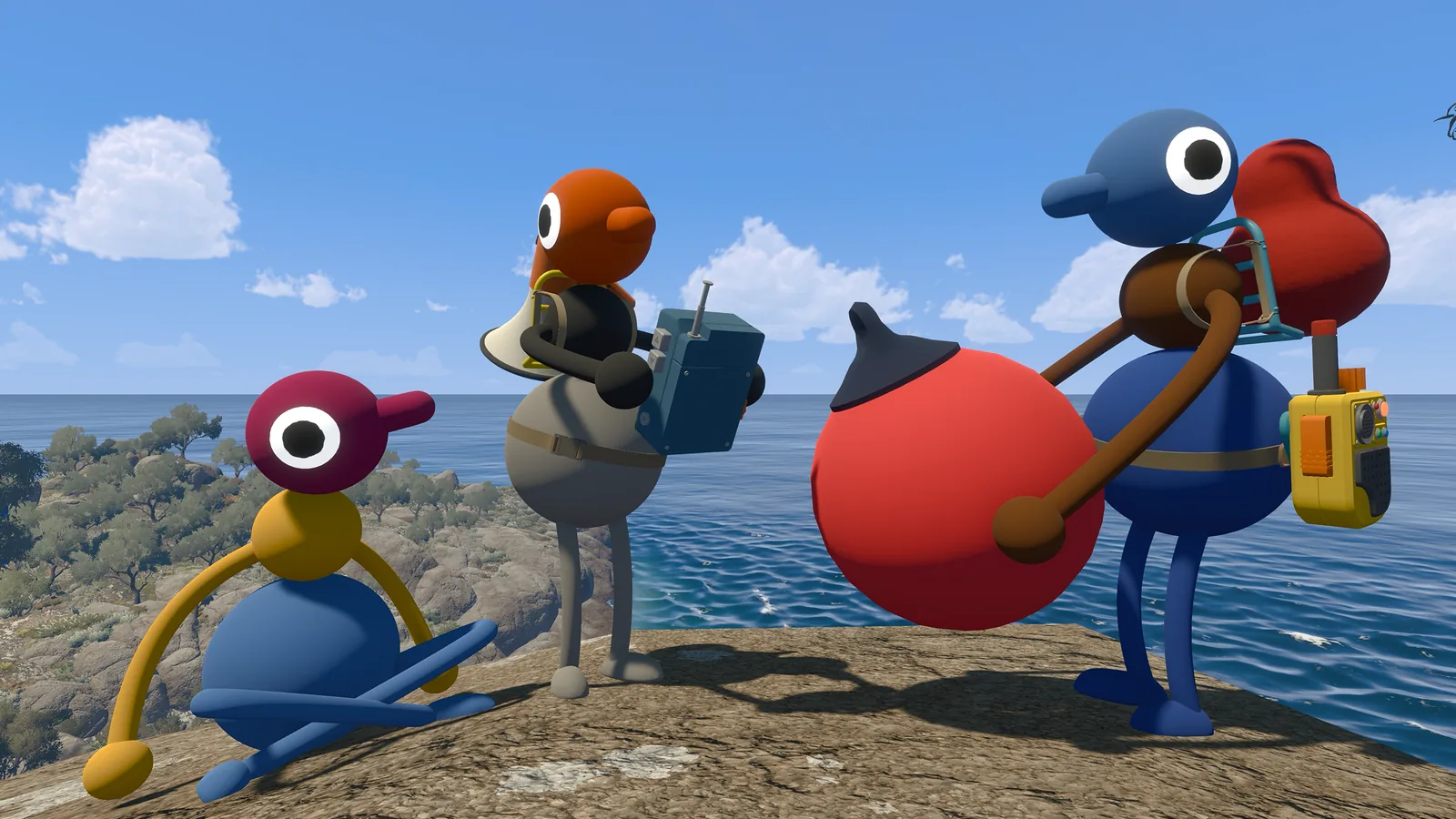
The official Big Walk FAQ describes the game as a long-form cooperative experience that can be played start-to-finish with friends. It confirms that the game has a beginning, a middle and an ending, but it does not publish a guaranteed number of hours for every group.
That distinction matters when you search for how long to beat Big Walk. A completion-time tracker can be useful as a community reference, but it is not the same as a developer-published playtime. Your result will change with the number of players, the amount of conversation, the time spent reading a scene and whether your group pauses to solve a challenge together.
The most useful answer for planning is therefore session-based: choose a stopping point that everyone can describe, record who is hosting the save, and leave the group with one clear next action. This is more reliable than promising that the entire game will fit into one evening.
What changes the time in practice
The following are practical planning factors, not official promises about total playtime.
Exploration and puzzle pace
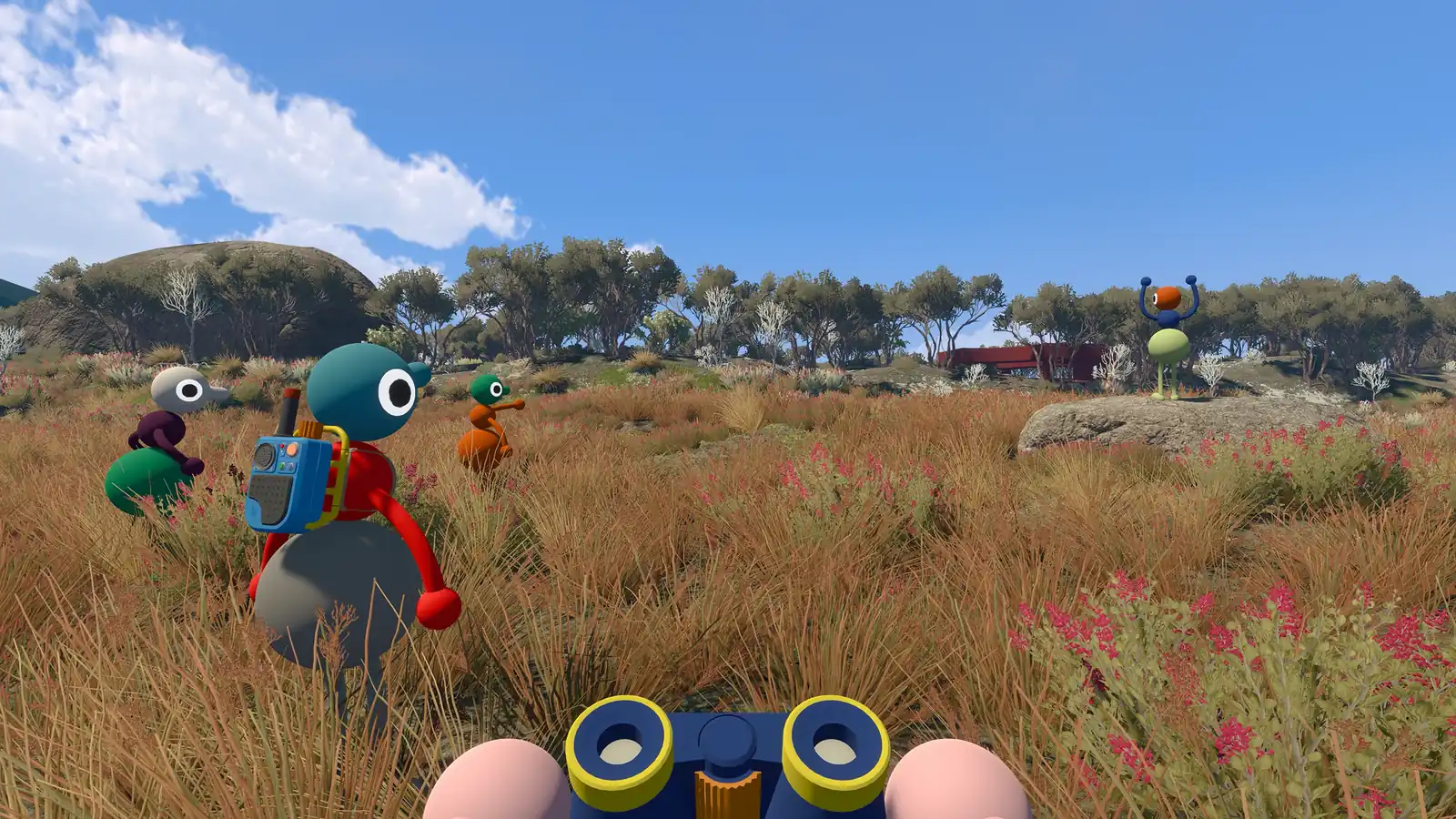
Some groups move directly from one visible clue to the next. Others test several interpretations, walk back to compare a landmark or stop to discuss what a sound, tower, train or station means. Both are valid ways to play, but they produce different session lengths.
Party size and communication
The official FAQ says the host selects a 2-player, 3-player or 4+ player version of the world, and the world can adapt some challenges to that choice. More players can create more observations and more conversation, so a larger group is not automatically faster.
Challenge settings and accessibility
The official FAQ documents challenge skipping for situations that may be inaccessible to a player. If your group uses that setting, the route and the amount of time spent on a specific challenge can change. Record the choice so the next session starts with the same expectation.
Breaks and host continuity
The official host keeps the save and progress. When the host stops, the other players disconnect; continuing later means the host needs to host again. A session is easier to resume when the group ends beside a named landmark instead of leaving mid-search.
First-run discussion
A first run often includes route vocabulary: upper station, lower station, return point, rail line or the last shared junction. Once the party has a common vocabulary, later decisions can be faster, but the first meeting should leave room for that setup.
A practical session plan without inventing a total
These are editorial planning ranges for choosing a meeting length. They are not an official Big Walk completion-time estimate.
| Session shape | How to use it | Stop with |
|---|---|---|
| Short check-in · about 30–45 minutes | Use this when the party is testing voice chat, a new platform or a new host. Confirm the Join Code, walk to one recognizable landmark and stop after everyone can explain the return path. | Before leaving, write one next action rather than a vague goal such as continue forward. |
| Standard session · about 60–120 minutes | Choose one route segment, keep one player responsible for the shared reference and use the co-op planner to mark the last confirmed node. This is a practical block for a group that wants progress without rushing. | End at a stable route object, confirm the host and tell the party what the next page or clue is. |
| Long session · 2 hours or more | Reserve this for a group that already agrees on breaks and communication. Do not let a long session turn into an unstructured search: reset at the last shared landmark when the route explanation becomes unclear. | Leave with a screenshot-free text note in your group chat: landmark, host, next check and any optional spoiler level. |
If your group has less time, shorten the route target instead of increasing the number of players or skipping every observation. The useful unit is a completed, explainable segment.
How party size changes the rhythm
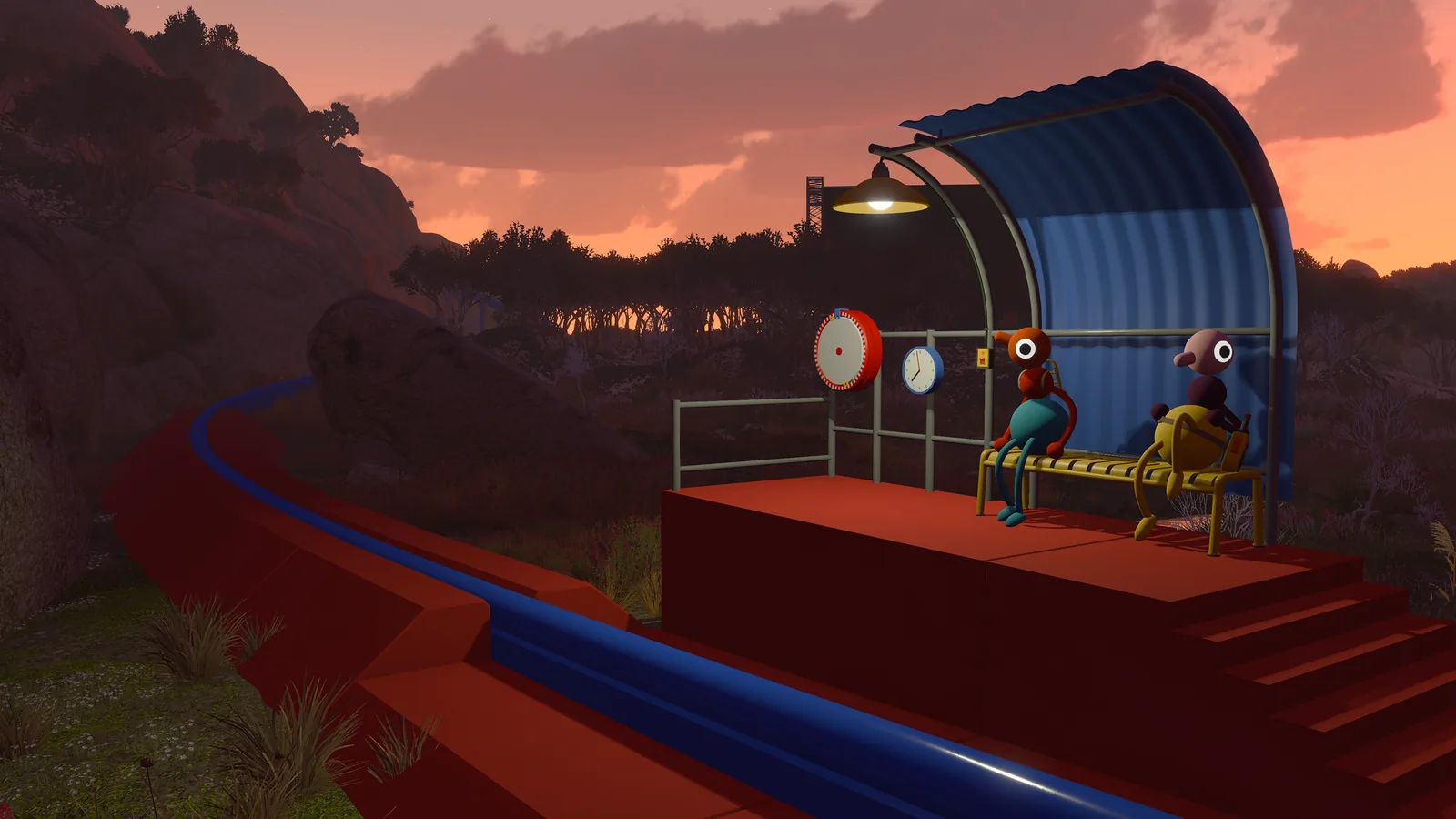
Big Walk is built around talking and teamwork. The official player-count guidance sets a minimum-style world choice rather than a simple speed multiplier, so use the difference to plan roles instead of predicting a faster finish.
| Party | Planning implication |
|---|---|
| 2 players | Focused co-op. One person can keep the last shared landmark in mind while the other checks the next signal. It is easier to maintain a single conversation, but each player carries more observation work. |
| 3 players | A useful split is forward observer, return-point reporter and clue recorder. Rotate roles when a section becomes repetitive so one player is not always waiting behind. |
| 4+ players | Agree on a meeting point before a fork. More eyes can help with a scene, but overlapping callouts can slow the decision. Use short landmark names and let one person summarize the next move. |
| Up to 12 players | The official FAQ says two or more players can play, with a maximum of 12. A larger group may feel more social and chaotic; it should not be used as a promise of shorter playtime. |
How to continue after a break
A good stopping routine protects the next session from ten minutes of re-orientation.
- Name the last confirmed pointUse a visible object or route label, not only a direction such as left or ahead.
- Confirm the hostThe official FAQ says the host keeps the save. Tell everyone who will host the next session.
- Write one unresolved questionFor example: Is the station upper or lower? Can we see the rail line from the last junction? Keep the question narrower than find the way.
- Choose the spoiler levelA new player may only want an observation hint. The existing 4166 and 1899 guides keep progressive clues separate from their full answers.
- Reconnect with the same route pageUse the 4166 Road guide, 1899 Cable Car guide or the local co-op planner when the next session begins.
Common questions
Big Walk playtime FAQ
Official sources checked
The official pages below support the facts about long-form play, endings, player counts, hosting, sessions and public screenshots. Route pacing suggestions on this page are editorial planning advice.